


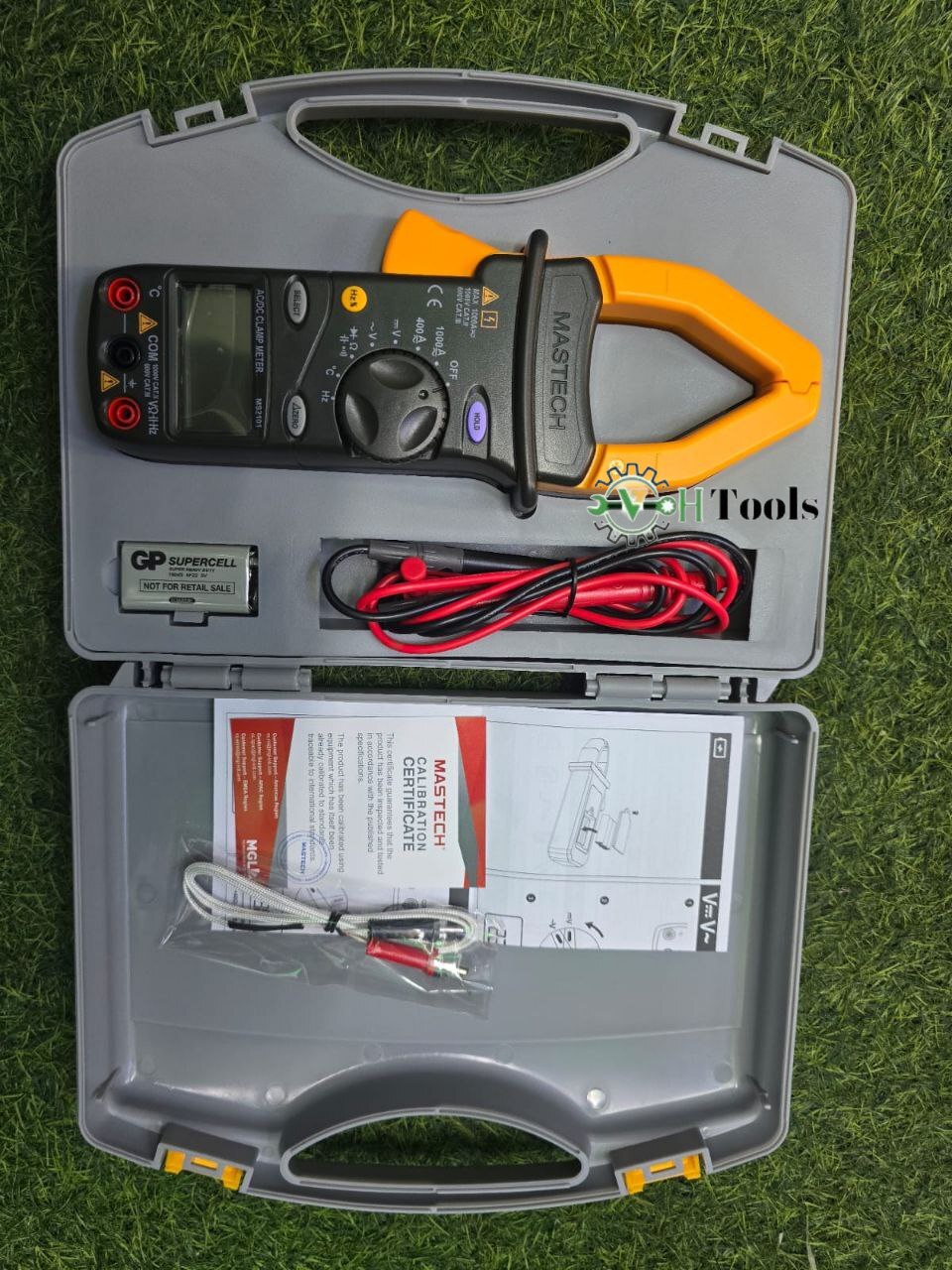
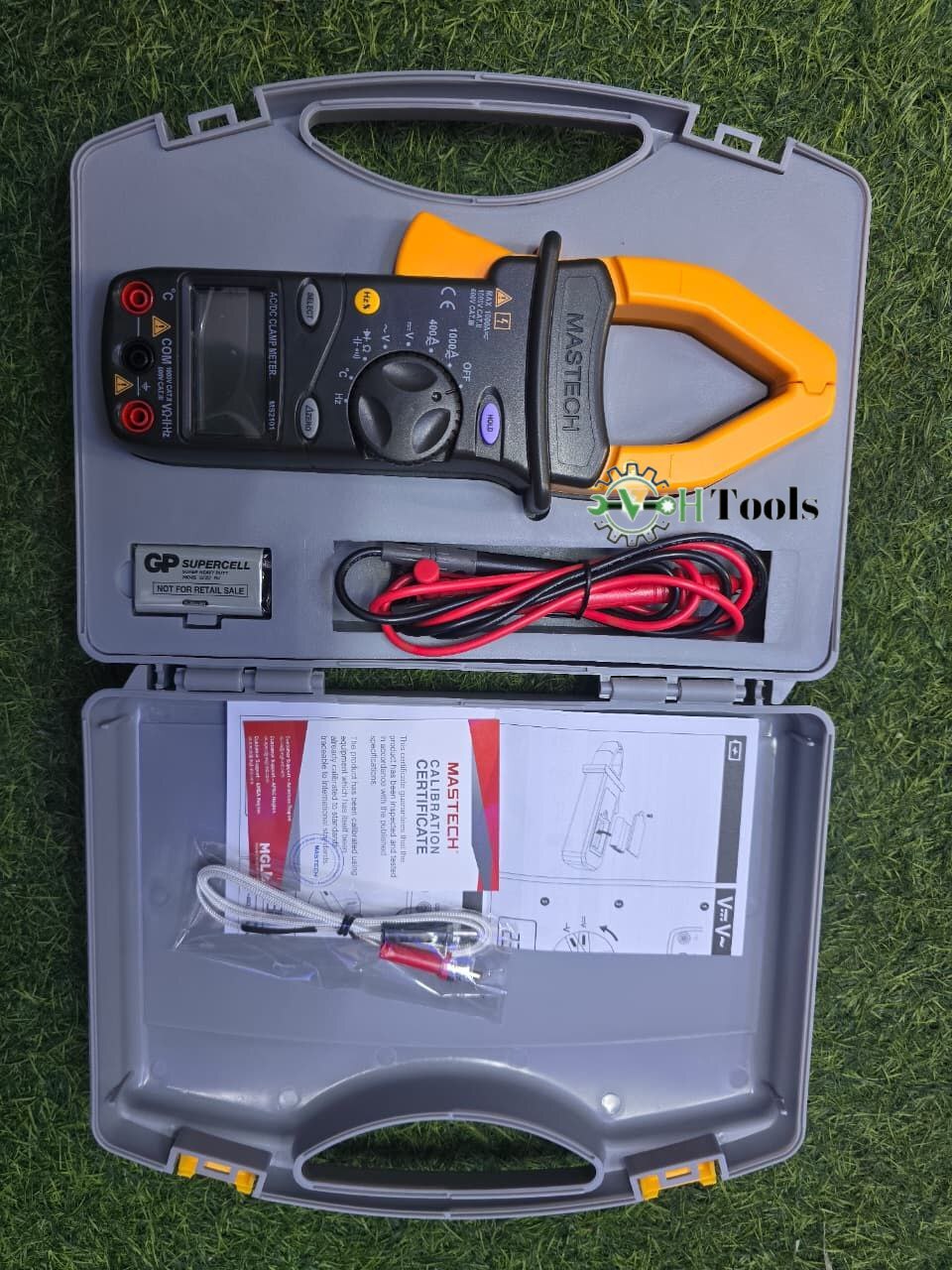
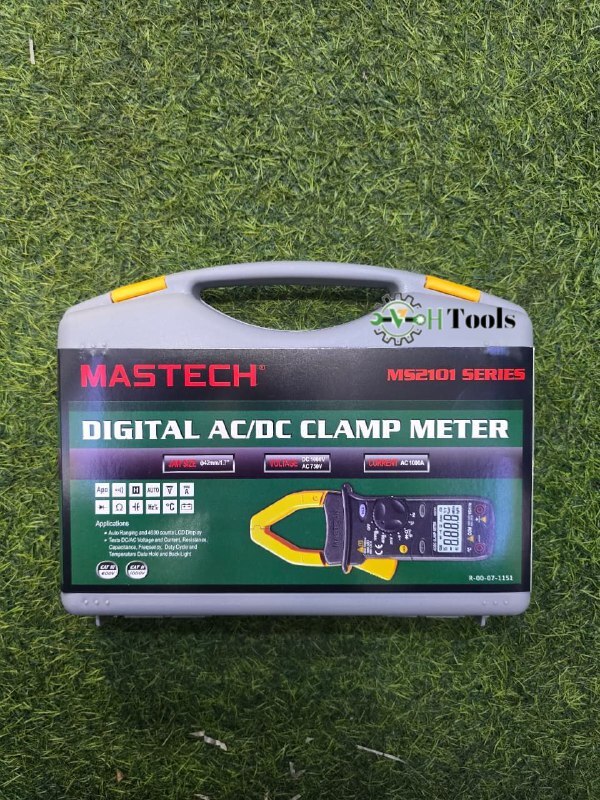
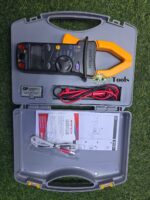
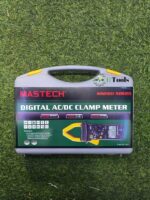


Mastech AC/DC 1000v clamp meter
KSh7,750.00
An AC/DC 1000V clamp meter is a highly versatile and essential tool for electricians, HVAC technicians, industrial maintenance professionals, and anyone working with electrical systems. The “1000V” indicates its maximum voltage measurement capability, making it suitable for a wide range of applications, including high-voltage systems.
Here’s a detailed breakdown of what that means and why it’s important:
Key Features and What They Mean:
- AC/DC: This is the critical differentiator.
- AC (Alternating Current): Most clamp meters can measure AC current. They work by detecting the magnetic field created by the alternating current flowing through a conductor, using a current transformer built into the jaws.
- DC (Direct Current): Measuring DC current with a clamp meter requires a Hall Effect sensor. This allows the meter to detect the static magnetic field produced by direct current. This is crucial for applications like solar panel systems, batteries, electric vehicles, and DC motor circuits.
- 1000V: This refers to the maximum AC/DC voltage that the meter can safely measure using its test leads (not the clamp jaws). A 1000V rating means it’s suitable for most residential, commercial, and even many industrial electrical systems.
- Clamp Meter: The defining characteristic. Instead of breaking the circuit to insert the meter in series (like a traditional multimeter for current), you simply clamp the jaws around a single conductor. This allows for:
- Non-invasive measurement: You don’t need to disconnect wires or shut down the system.
- Increased safety: Reduces the risk of electric shock, especially when dealing with live circuits.
An AC/DC 1000V clamp meter is a highly versatile and essential tool for electricians, HVAC technicians, industrial maintenance professionals, and anyone working with electrical systems. The “1000V” indicates its maximum voltage measurement capability, making it suitable for a wide range of applications, including high-voltage systems.
Here’s a detailed breakdown of what that means and why it’s important:
Key Features and What They Mean:
- AC/DC: This is the critical differentiator.
- AC (Alternating Current): Most clamp meters can measure AC current. They work by detecting the magnetic field created by the alternating current flowing through a conductor, using a current transformer built into the jaws.
- DC (Direct Current): Measuring DC current with a clamp meter requires a Hall Effect sensor. This allows the meter to detect the static magnetic field produced by direct current. This is crucial for applications like solar panel systems, batteries, electric vehicles, and DC motor circuits.
- 1000V: This refers to the maximum AC/DC voltage that the meter can safely measure using its test leads (not the clamp jaws). A 1000V rating means it’s suitable for most residential, commercial, and even many industrial electrical systems.
- Clamp Meter: The defining characteristic. Instead of breaking the circuit to insert the meter in series (like a traditional multimeter for current), you simply clamp the jaws around a single conductor. This allows for:
- Non-invasive measurement: You don’t need to disconnect wires or shut down the system.
- Increased safety: Reduces the risk of electric shock, especially when dealing with live circuits.
| Weight | 6 lbs |
|---|
Related products


Cordless brad nailer
KSh17,850.00

Cordless Brad Nailer
KSh21,350.00

Cordless mixer
KSh15,000.00

Cordless sheet sander
KSh9,450.00

Finishing sander
KSh8,750.00

Lithium-ion grass trimmer
KSh13,550.00
Marble cutter
KSh8,950.00
Multi-function tools
KSh9,000.00

Palm sander
KSh6,950.00
Rotary sander
KSh8,750.00
Router
KSh15,350.00

Reviews
There are no reviews yet.